

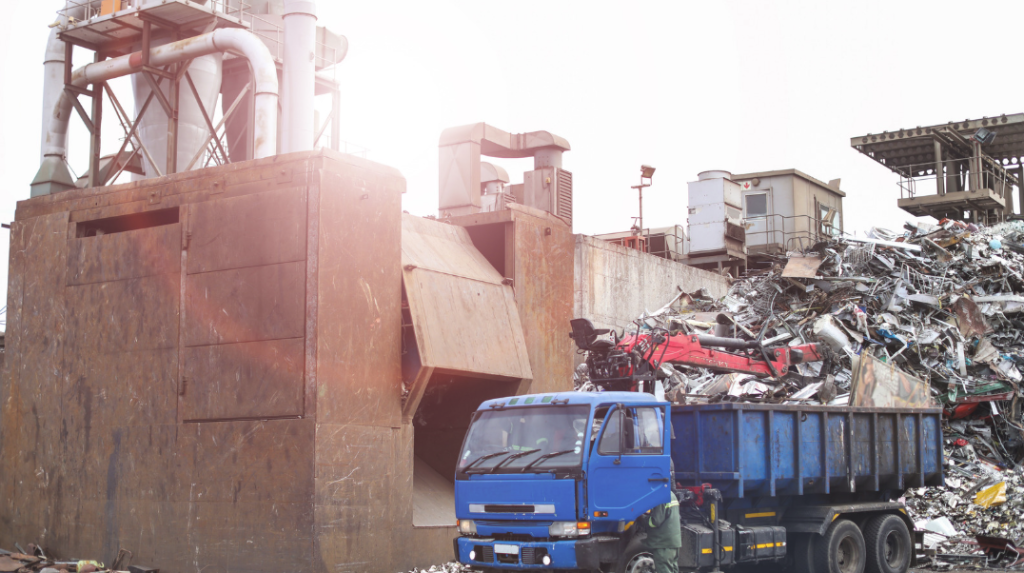
Businesses that operate across multiple locations often face challenges when managing scrap materials consistently. Each site may generate different types and quantities of scrap, which can create logistical pressure on teams responsible for collection, storage, and transportation. Many organizations use scrap pickup in Atlanta to streamline these demands and maintain efficient workflow across all locations. With coordinated support, companies can reduce unnecessary workload, improve scrap handling, and maintain cleaner and more organized work environments. Introducing consistent pickup services across multiple sites helps businesses simplify operations and stay focused on their key objectives.
Before exploring these advantages, many companies find it helpful to understand the commercial scrap metal recycling process, which outlines how materials move from collection to processing. This insight allows multi-site operations to establish better internal systems and coordinate their scrap management more effectively.
Creating Consistent Processes Across All Locations
Multi-site operations often struggle with uneven procedures between facilities. Scrap pickup services help standardize collection routines, ensuring each location follows the same schedule and expectations. This consistency makes it easier for management teams to track material flow, compare output, and maintain accurate reporting. When every location operates under the same system, oversight becomes simpler, and decision-making improves.
Clear procedures also reduce confusion among employees by providing a reliable structure for handling and storing scrap. With professionals managing the removal process, staff can focus on primary tasks rather than waste handling.
Reducing Internal Transportation Challenges
Transporting scrap from multiple locations to a recycling center can be time-consuming and costly. Coordinating vehicles, labor, and scheduling quickly becomes overwhelming for operations with several facilities. Using pickup services removes the need for internal transport entirely. Professional teams arrive at each site, load the materials, and handle all transfers on behalf of the business. This saves time, reduces fuel and equipment expenses, and eliminates the need for dedicated scrap transportation staff. By removing these logistical responsibilities, businesses can use their resources more efficiently and reduce operational strain across multiple sites.
Improving Productivity Through Faster Removal
Timely scrap removal is important for maintaining open space and preventing workflow disruptions. Multi-site businesses can face clutter issues more frequently because scrap accumulates at different rates across facilities. Understanding the commercial scrap metal recycling process can help teams recognize how consistent removal supports better site efficiency, especially when dealing with frequent material turnover. Scheduled pickup services keep every location organized by ensuring materials are cleared before they interfere with daily operations.
Employees spend less time moving or sorting scrap when professionals handle removal, allowing teams to stay productive. This supports steady workflow and prevents slowdowns caused by crowded storage areas or blocked pathways.
Increasing Flexibility During High-Output Periods
Demand can rise unexpectedly, causing rapid increases in scrap production. Multi-site operations experience this more often because growth at one location can influence others. Pickup services offer flexible scheduling that allows businesses to increase collection frequency when needed. This adaptability ensures that scrap does not accumulate beyond manageable levels and operations can continue without interruption. Access to dependable support across multiple facilities provides stability during busy periods and helps businesses stay on schedule with other responsibilities.
Strengthening Overall Operational Management
A coordinated pickup system gives businesses better visibility into scrap quantities produced at each location. When data is consistent and accurate, management can evaluate performance, understand material flow, and identify areas where improvements can be made. Reliable scrap removal also reduces the chance of overlooked piles or outdated storage, which can create complications later. Centralized oversight becomes simpler when every site follows the same routine. This helps leaders make informed decisions about scheduling, inventory, and long-term planning.
Conclusion
Scrap pickup services offer valuable benefits for multi-site business operations by improving consistency, reducing internal transportation demands, supporting productivity, and increasing flexibility during high output periods. With professional handling and dependable scheduling, companies can simplify their scrap management and maintain efficient performance across all locations.