
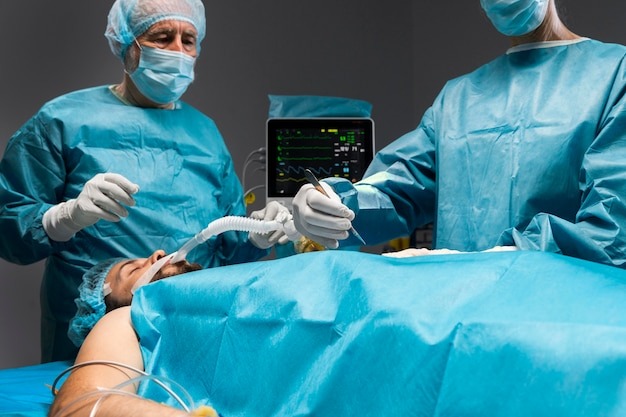
Laparoscopic surgery has transformed modern healthcare by offering patients a safer and less invasive alternative to traditional open procedures. A professional laparoscopy service allows doctors to diagnose and treat various abdominal and pelvic conditions using small incisions and advanced camera technology. This approach reduces pain, shortens hospital stays, and speeds up recovery time. Understanding how laparoscopy works can help patients feel more confident and prepared before undergoing the procedure.
1. What Is Laparoscopy?
Laparoscopy is a minimally invasive surgical technique that uses a thin instrument called a laparoscope. This device contains a small camera and light that project images onto a screen, enabling the surgeon to view internal organs clearly.
Through a reliable laparoscopy service, specialists can perform precise procedures without the need for large surgical cuts. The smaller incisions mean less trauma to the body and a smoother healing process.
2. Conditions Treated with Laparoscopy
Laparoscopy is commonly used to treat gallstones, appendicitis, hernias, ovarian cysts, endometriosis, and certain gastrointestinal conditions. It is also helpful in diagnosing unexplained abdominal pain or infertility issues.
Many hospitals now provide laparoscopy service options for both diagnostic and therapeutic purposes. Because the method is less invasive, patients often experience fewer complications compared to traditional surgery.
3. Preparing for the Procedure
Before surgery, patients typically undergo medical tests such as blood work or imaging scans. Doctors may recommend fasting for several hours and adjusting certain medications. During consultation, the medical team explains the entire laparoscopy service process, including benefits and potential risks.
Clear communication ensures patients understand what to expect and helps reduce anxiety before surgery.
4. What Happens During Surgery?
Laparoscopy is usually performed under general anesthesia. The surgeon makes a small incision near the navel and inserts the laparoscope. Carbon dioxide gas is gently introduced into the abdomen to improve visibility and create space for surgical instruments.
Additional small incisions may be made if treatment is required. A specialized laparoscopy service enables surgeons to perform delicate procedures with accuracy and minimal tissue damage.
5. Recovery and Aftercare
One of the main advantages of laparoscopy is faster recovery. Most patients can return home within 24 hours, depending on the complexity of the procedure. Mild discomfort, bloating, or fatigue is common but temporary.
Doctors may advise light physical activity and proper wound care to promote healing. Thanks to modern laparoscopy service techniques, patients usually resume normal routines much sooner than with traditional surgery.
6. Benefits of Choosing Laparoscopy
Choosing a trusted laparoscopy service offers multiple benefits, including smaller scars, reduced pain, minimal blood loss, and lower risk of infection.
Shorter hospital stays also reduce overall medical costs. These advantages make laparoscopy a preferred choice for both patients and healthcare providers.
Conclusion
In conclusion, laparoscopy provides a safe, efficient, and patient-friendly surgical option. By understanding the procedure, preparation, and recovery process, patients can make informed decisions about their treatment. With professional care and advanced technology, laparoscopy continues to improve surgical outcomes and enhance overall patient experience. Consulting with a qualified specialist can help determine whether this minimally invasive approach is the right choice for your specific condition.