

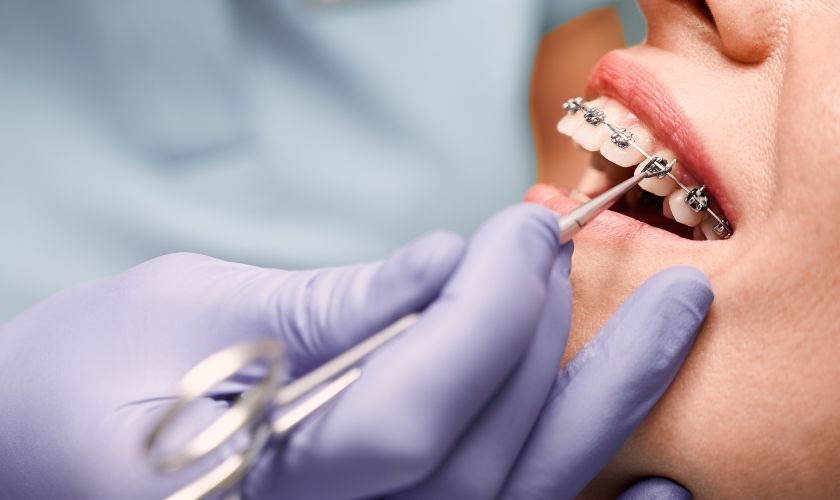
In today’s competitive orthodontic market, simply having a website is not enough to consistently attract new patients. Orthodontic practices need a focused digital marketing strategy that places their services in front of people actively searching for treatment. HIPs Google Ads for orthodontists can provide a powerful way to reach prospective patients at the exact moment they are looking for braces, clear aligners, consultations, and other orthodontic solutions.
Google Ads allows orthodontists to compete for valuable search visibility without waiting months for organic rankings. However, successful campaigns require more than simply selecting keywords and increasing a budget. The right strategy combines audience targeting, compelling advertisements, optimized landing pages, accurate conversion tracking, and ongoing campaign improvements.
Understanding the Value of Google Ads for Orthodontic Practices
Orthodontic treatment is often a significant investment, so prospective patients usually conduct extensive research before choosing a provider. They may search for an orthodontist near their location, compare treatment options, read reviews, and investigate costs before scheduling an appointment.
Paid search advertising can place an orthodontic practice prominently in these high-intent searches. Instead of relying exclusively on general awareness campaigns, orthodontists can target people who are already demonstrating interest in orthodontic treatment.
This makes search advertising particularly valuable for generating qualified leads. Someone searching for “orthodontist consultation near me” has a much stronger purchasing intent than someone who simply sees a general dental advertisement while browsing online.
Target High-Intent Orthodontic Keywords
Keyword selection is one of the most important parts of a successful campaign. Orthodontic practices should focus on search terms that indicate a genuine need for treatment.
Examples can include searches related to:
- Orthodontist near me
- Braces consultation
- Invisalign or clear aligner treatment
- Adult orthodontics
- Teen braces
- Orthodontic consultation
- Emergency orthodontist
- Affordable braces
- Orthodontist for children
- Orthodontic treatment options
Location-specific keywords can also help practices attract patients within their service areas. Someone searching for an orthodontist in a specific city is more likely to become a patient than someone searching for general orthodontic information.
Negative keywords are equally important. Terms associated with employment, education, unrelated research, or free resources can consume advertising budgets without producing valuable leads. Regularly reviewing search-term reports allows practices to identify and exclude irrelevant searches.
Create Compelling Google Ads
A strong advertisement should immediately communicate why a prospective patient should choose the practice. Generic advertisements often struggle because they do not give users a compelling reason to click.
Effective orthodontic ads can highlight benefits such as convenient consultations, experienced providers, flexible scheduling, modern treatment options, or personalized care.
The advertisement should also align closely with the searcher’s intent. If someone searches for clear aligners, an advertisement focused primarily on traditional braces may not be as relevant. Matching the ad message to the keyword can improve both user experience and campaign performance.
Calls to action should be direct without being overly aggressive. Phrases such as “Schedule a Consultation,” “Book Your Appointment,” or “Explore Treatment Options” can encourage prospective patients to take the next step.
Use Location Targeting Strategically
Orthodontic practices generally serve a defined geographic area, making local targeting essential. Google Ads campaigns can be configured to focus advertising on specific cities, neighborhoods, ZIP codes, or service areas.
This helps prevent advertising budgets from being wasted on users who live too far away to realistically visit the practice.
Location targeting can become even more effective when combined with location-specific ad copy and landing pages. Mentioning the community or service area can make advertisements feel more relevant to local searchers.
Practices should also monitor where conversions are coming from. If certain geographic areas consistently generate better-quality leads, advertising budgets can be adjusted accordingly.
Optimize Landing Pages for Conversions
Getting someone to click an advertisement is only the beginning. The landing page must convince that visitor to take action.
An orthodontic landing page should provide a clear explanation of the service promoted in the advertisement. It should include essential information about treatment, an obvious appointment form or phone number, compelling benefits, and trust-building elements.
Patient testimonials, professional credentials, treatment information, frequently asked questions, and high-quality practice photography can help reduce uncertainty.
The page should also load quickly and work well on mobile devices. Many prospective patients search for healthcare services using smartphones, so a complicated mobile experience can result in lost opportunities.
Make Appointment Scheduling Easy
Orthodontic advertising becomes more effective when the path from search to consultation is simple. If a visitor has to navigate through multiple pages before finding a phone number or booking form, they may leave the website.
A strong campaign should make appointment scheduling highly visible. Click-to-call functionality can be particularly useful for mobile users.
Online scheduling can provide another convenient option. Prospective patients can choose an available appointment without waiting for office hours or making a phone call.
The goal is to reduce friction between the initial search and the requested consultation.
Track Calls, Forms, and Appointment Requests
One of the biggest mistakes orthodontic practices can make is judging Google Ads success solely by clicks. Clicks are useful, but they do not necessarily represent business results.
Conversion tracking should measure meaningful actions such as:
- Phone calls
- Appointment requests
- Consultation bookings
- Contact form submissions
- Online scheduling completions
- Qualified patient inquiries
This information helps determine which keywords, advertisements, and landing pages are producing actual opportunities.
With accurate tracking, orthodontists can shift their advertising budget toward campaigns that generate qualified patients rather than simply generating website traffic.
Improve Campaigns Through Continuous Testing
Successful Google Ads campaigns are rarely created once and left unchanged. Continuous testing is necessary because search behavior, competition, advertising costs, and user expectations can change over time.
Orthodontic practices can test different headlines, descriptions, calls to action, landing page layouts, and keyword groups. Performance data can then identify which combinations produce stronger results.
Testing should be systematic rather than random. Making one meaningful change at a time can make it easier to determine what is responsible for performance improvements.
Build Trust Before the Consultation
Orthodontic treatment involves personal decisions, and prospective patients want to feel confident about their provider. Advertising should therefore work together with the practice’s broader online presence.
A prospective patient who clicks an advertisement may visit the website, read reviews, look at treatment information, and search for additional information about the orthodontist.
Consistent branding and trustworthy information throughout the patient journey can strengthen credibility. Positive reviews, educational content, professional photography, and clear explanations of treatment options can all support the decision-making process.
Control Costs With Better Lead Qualification
Generating a large number of leads does not necessarily mean a campaign is successful. Some inquiries may come from people who are outside the service area, looking only for prices, or searching for services the practice does not provide.
The objective should be to attract qualified prospects who are genuinely interested in orthodontic care.
Campaign segmentation, carefully selected keywords, negative keyword lists, location targeting, and accurate conversion tracking can help improve lead quality. Over time, these improvements can make advertising budgets more efficient.
Conclusion
HIPs Google Ads for orthodontists can be an effective strategy for attracting prospective patients who are actively searching for orthodontic services. From high-intent keyword targeting and compelling advertisements to optimized landing pages and accurate conversion tracking, every part of the campaign contributes to its overall performance.
The most successful orthodontic advertising strategies focus on quality rather than simply quantity. By reaching the right audience, delivering relevant messaging, simplifying appointment scheduling, and continuously analyzing campaign data, orthodontic practices can create a stronger path from online search to consultation. A well-managed Google Ads strategy can therefore become an important component of a modern orthodontic practice’s patient acquisition efforts.