

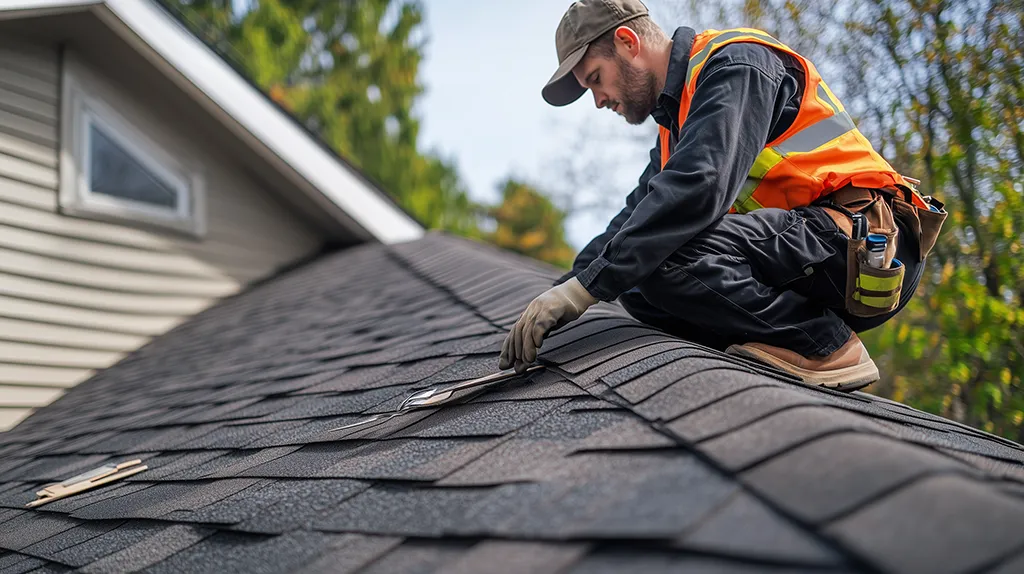
A roof is perhaps the most important component of a commercial building. It not only guards against asset loss and keeps occupants sheltered from the weather outside, but also plays a large role in energy cost management. Proper roof maintenance avoids major problems and maintains the roof’s life cycle. Maintenance involves regular checks of the roof twice a year, gutter clearing, speedy repair of leaks, and open drains. Flashing and seal inspections, HVAC and roof equipment maintenance, and immediate repair of ponding water are also included. You should also limit roof access, maintain accurate maintenance records, and hire skilled local experts for roofing services in Richland, WA.
Commercial Roof Maintenance Tips from Pros in Richland, WA
Here are the maintenance tips that commercial building owners should consider:
- Check the Roof Regularly
You likely have seen how small cracks start, seams lift, or a roof edge looks worn. If left alone, those little flaws invite big trouble. Inspect roofs at least twice yearly, once in the fall and when winter starts. When experts who check for loosened material, gaps, and weak areas check the roof, early diagnosis results in less extensive repairs and fewer disruptions.
- Keep Roofs Clean and Debris-Free
Commercial flat or sloped roofs quickly accumulate debris. Drains clog with leaves, branches, dirt, and debris, where moisture is trapped and can increase vulnerability. When the Debris is cleared, you protect the surface of the roof. Cleared drains ensure a high volume of rainwater flows off them, relieving hydrostatic pressure. This is a tested and proven practice. Also, as relevant, ensure your wall flashings are in good condition.
- Check Drainage Systems Frequently
Where water can’t flow off the roof, you’ve got “ponding water.” This causes additional weight, pressure, and leaks. Check gutters, downspouts, and drains to ensure that water flows freely. If puddles appear on the roof after rain, removing the water immediately is your clue.
- Don’t Wait on Fixing Leaks
A drip today is a potential flood tomorrow. The small spot you notice is the leak that allows water to seep beneath the roof surface, ruining insulation, destroying ceilings, and soaking interior walls. Find a leak, a tiny one, and call in a professional. Fixing ponding ensures better water flow and increases roof durability.
- Inspect Flashing and Seals
Flashing (the thin metal or similar material placed around roof edges, penetrations, and joints) and seals are vital. They guide water away from vulnerable zones. With time, flashing can corrode, pull back, and create spaces; sealant can also lose adhesion or crack. As you have read, the waterproof barrier is best taken care of with regular inspection and re-sealings (replacement of flashing) as needed.
- Don’t Forget the Roof-Mounted Equipment
Your HVAC units, ductwork, or other equipment create a more complex system. Units can move, vibrate, and leak water, straining the roof. Confirm everything is mounted, sealed, and insulated properly. Properly functioning equipment means a protected roof.
- Handle Standing Water Quickly
“Ponding water” remains on the roof surface for over 48 hours. This is a sign of membrane compromise, and where water intrusion will begin. If the ponding condition exists, see if it’s a slope issue or if it’s time to reconfigure the drains. You can also hire professional roofing services to clear drains or repair damage.
- Mind the Foot Traffic
People need to access the roof occasionally. But too much walking around—especially in fragile zones—can cause wear, rips, and punctures. Set up walk paths or protect the surface where needed. Limit who goes up there and when. It matters.
- Keep Detailed Maintenance Records
A good maintenance program contains clear documentation, inspection dates and results, work repaired, parts replaced, pictures, and warranties. Document inspection dates, results, items repaired, who worked on them, and pictures, where possible. This documentation aids in pattern monitoring, budgeting, and warranty protection.
10 .Partner with a Local Roofing Professional
Finally—and this might be the smartest part—choose a roof maintenance partner who knows your region. Someone familiar with Richland’s weather, local codes, and common issues. When you need help, you want someone responsive and experienced. Working with a trusted roofing service means you are not just hiring a contractor; you’re teaming up with someone who understands what your building faces.
Conclusion
Commercial roof maintenance requires continuous effort, proper planning, and professional collaboration. Regular inspections, cleaning of the roof and gutters, and timely repairs of minor leaks can prevent major issues. Checking flashings and equipment, removing standing water, limiting foot traffic, keeping maintenance records, and working with professionals at the local level go toward extending the life and minimizing roof-related risks. Investment roof services in Richland, WA, offers access to a pool of experienced contractors with vast experience in the regional environment and building requirements. With these practices, a commercial roof becomes an asset to be trusted: protecting the structure itself and its occupants for many years.