
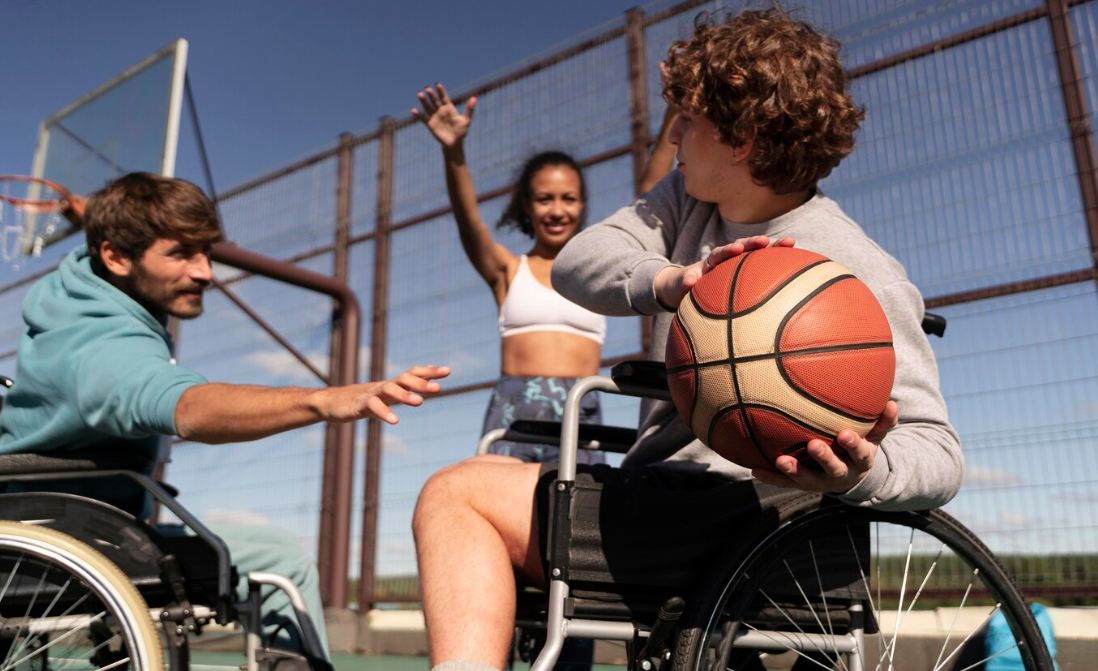
Participation in physical activity is a cornerstone of healthy development for every child. For those with physical or cognitive disabilities, the opportunity to engage in competitive and recreational activities is made possible through specialized initiatives.
These organizations focus on removing barriers and providing the necessary equipment and coaching to ensure that every individual can experience the thrill of the game.
By fostering an environment of inclusivity and support, a dedicated community helps young athletes realize their full potential both on and off the field.
Fostering Physical Health and Motor Development
Engaging in regular exercise is essential for building strength, coordination, and cardiovascular health. An adaptive sports charity program provides tailored training that respects the unique physical needs of each participant.
These activities are designed to improve mobility and fine motor skills while encouraging a lifelong habit of fitness. When young people have access to modified equipment and expert guidance, they can push their physical limits in a safe and controlled environment.
This commitment to health ensures that physical challenges do not prevent a child from enjoying an active and vibrant lifestyle.
Building Emotional Resilience and Self Confidence
The psychological benefits of being part of a team are profound, especially for those who may feel isolated due to their differences. Success in an adaptive sports charity program teaches young athletes that they are capable of overcoming significant obstacles through dedication and practice.
Scoring a goal or mastering a new skill provides a boost in self-esteem that carries over into other areas of life, such as school and social interactions.
By focusing on abilities rather than limitations, these programs help children develop a positive self-image and the emotional strength to face future challenges with confidence.
Creating a Supportive Social Community
Isolation can be a significant hurdle for families navigating the complexities of disability. An adaptive sports charity program serves as a vital hub where young athletes can meet peers who share similar life experiences.
These social connections extend to parents and caregivers, creating a network of support and shared resources.
Within this community, friendships are forged through teamwork and shared goals, helping children develop essential social skills such as communication, empathy, and cooperation. The sense of belonging found within the team provides a powerful buffer against the feelings of loneliness.
Promoting Independence and Life Skills
Athletics provide a unique classroom for learning valuable life lessons. Through an adaptive sports charity program, participants learn the importance of discipline, time management, and strategic thinking. These skills are fundamental to achieving independence in adulthood.
As athletes learn to navigate the rules of the game and adapt to different competitive situations, they become more adept at problem-solving in their daily lives.
The leadership qualities developed on the court or the field empower young individuals to advocate for themselves and pursue their dreams with a sense of purpose.
Raising Public Awareness and Inclusion
The impact of inclusive sports reaches far beyond the immediate participants. When the public witnesses the skill and determination of these athletes, it challenges existing stereotypes and broadens society’s understanding of what is possible.
By supporting these initiatives, donors and volunteers contribute to a culture of accessibility and respect. These programs highlight the need for inclusive infrastructure in all public spaces, from parks to school gyms.
This visibility is crucial for creating a world where every individual is valued for their unique contributions and given an equal chance to succeed.