
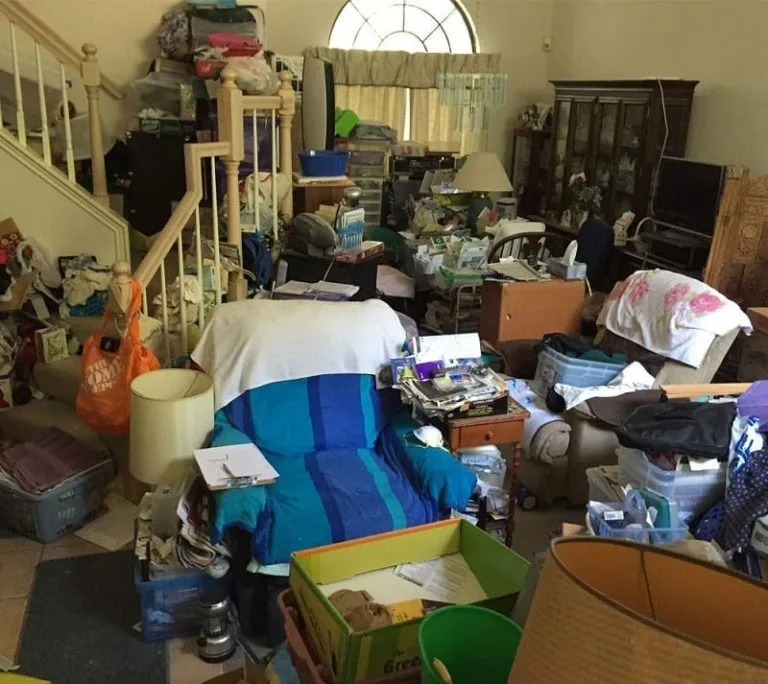
Homes should feel safe and comfortable, but sometimes belongings pile up until they take over every room. Walking through hallways becomes difficult. Doors won’t open all the way. Simple things like making dinner or taking a shower turn into major challenges. This is hoarding, and it affects more people than you might think. It creates real dangers like mold growth, pest problems, and fire risks.
The emotional toll is as heavy as people feel ashamed, anxious, and cut off from loved ones. Professional Hoarding Help offers caring support that goes way beyond regular cleaning. When stuff starts threatening your safety and peace of mind, it’s time to reach out for specialized help.
What is Hoarding Disorder?
Hoarding disorder is a mental health condition where people have a really hard time throwing things away, which leads to piles of items that take over living spaces.
It’s different from regular clutter because of the strong emotional attachment people feel toward their belongings. Normal clutter happens when life gets busy and things pile up temporarily.
You might notice these signs:
- Trouble deciding where things should go or how to organize them
- Strong emotional reactions to items that seem unimportant to others
- Keeping things “just in case” they’re needed someday
- Feeling embarrassed about how the home looks
- Avoiding having friends or family visit
Key Signs You Need Help
These warning signs tell you the situation has gotten beyond what friends, family, or regular cleaners can safely handle. Spotting these signs early means faster recovery and preventing dangerous emergencies.
1. Blocked Exits and Pathways
Clutter becomes a real problem when it blocks doors, hallways, or ways to get out of the house. You can’t move freely through your home or get out quickly if there’s an emergency. Items stacked in walkways create fire dangers and trap you inside. When an emergency happens, every second counts. Blocked exits can turn a bad situation into a tragedy.
Watch for these problems:
- Having to turn sideways to squeeze between piles of stuff
- Stairs covered with boxes or bags that could make you trip
- Connecting rooms through tiny paths that feel claustrophobic
- Furniture was shoved against the walls, only to create a little walking room
Emergency Access Issues
Windows get buried behind stacks of belongings, blocking natural light and backup escape routes. Front or back doors that won’t open all the way keep emergency workers from getting inside to help you. Some doors might be completely blocked, which means you’re relying on only one way in and out that could get blocked during a crisis.
2. Health and Safety Hazards
When items pile up, they create perfect conditions for dangerous things to grow and spread. Mold starts growing in damp spots hidden under layers of stuff. Mice and bugs make homes in piles that never get moved, leaving droppings and spreading germs.
Old food rots and releases harmful bacteria into the air. Dust builds up and makes it hard to breathe, especially if you have asthma or allergies. Without good air flow, these problems keep getting worse and affect everyone living there.
Fire Risks
- Too much paper, cardboard, and things that burn easily are packed together
- Electrical outlets with too many things plugged in, buried under clutter
- Heating vents are covered by stuff that gets too hot
- Candles or cooking equipment surrounded by things that could catch fire
- Extension cords running under rugs or through piles where you can’t see them
Air Quality Problems
Smoke detectors and carbon monoxide alarms stop working when they’re covered up or their batteries die, and nobody can reach them to change them. Bad air flow traps dangerous gases and makes everyone breathe in more toxins.
3. Structural Damage to Property
Too much weight from piles of belongings damages the actual structure of your home over time. Floors may sag or bounce when you walk on them, and in extreme situations, severe accumulation can compromise floor integrity. The foundation gets stressed when the weight isn’t spread out properly.
Broken appliances leak water constantly, causing wood to rot and weakening the beams that hold up your house. Plumbing problems go unnoticed until serious damage has already happened. Electrical wiring gets exposed or worn down, creating risks of shocks and fires.
Visible Warning Signs
- Floors that sag or bounce when you step on them
- Cracks in walls or ceilings that get bigger over time
- Doors that don’t close right because the frame has shifted
- Water stains are spreading across floors and walls
- Electrical outlets that spark or stop working
A professional needs to check if your home is still safe to live in or if you need to move out temporarily while repairs are made.
4. Rooms Cannot Be Used
Living spaces stop working for what they’re meant to do when clutter takes over the important areas you need for basic daily life.
Bedrooms get so full that there’s no room to sleep in the bed, forcing people to sleep on the couch or even in their car. Kitchens packed with stuff make it impossible to cook, so people end up spending lots of money on takeout or skipping meals altogether. Bathrooms become blocked off, creating serious hygiene problems and forcing people to use buckets or go outside. Living rooms have nowhere to sit, so you can’t relax or spend time with family.
Basic Needs Affected
When you can’t sleep, eat, or bathe properly at home, Hoarding Help specialists can bring back these basic functions. Not being able to use the kitchen leads to poor eating habits and health problems. Blocked bathrooms create sanitation emergencies that affect everyone in the house and can cause serious infections.
5. Persistent Odors Present
Bad smells that won’t go away signal serious cleanliness problems that need more than regular cleaning to fix. Smells from rotting food, mildew, pet messes, or bug and rodent problems sink deep into walls, furniture, and belongings. These odors get absorbed into materials and won’t disappear unless you remove the contaminated items. Bacteria in the air from unsanitary conditions make people sick repeatedly and cause breathing problems. Sometimes people living there get so used to the smell they don’t notice it anymore, but visitors can tell right away how serious it is.
Common Sources
- Spoiled food that’s been hidden in clutter for weeks or months
- Pet waste when animals can’t get to their litter boxes or outside
- Mold and mildew growing behind walls where you can’t see it
- Backed-up sewage from clogged or broken pipes
- Rotting organic material in forgotten containers
- Piled-up trash that can’t be taken out because you can’t reach the door
6. Emotional Distress When Cleaning
Strong anxiety or panic when trying to organize things shows you need specialized help from people trained in mental health support.
People with hoarding disorder feel real emotional pain when throwing things away, even actual garbage. They might get defensive, angry, or shut down when someone suggests cleaning. Feeling ashamed about how their home looks leads them to avoid all visitors, including family and even emergency workers. Just thinking about cleaning can trigger intense fear or anger that seems way over the top to others, but feels overwhelming to the person going through it.
Mental Health Indicators
- Feeling depressed or hopeless that things will ever get better
- Having panic attacks when people talk about organizing
- Completely denying there’s a problem with how much stuff there is
- Getting hostile with family members who try to help
- Stopping activities they used to enjoy
- Avoiding any conversation about their home
Professional teams trained in compassionate care work at whatever pace feels right for you while making sure everyone stays safe.
Risks of Delaying Help
Waiting to get help lets conditions get worse much faster, creating problems that pile up and become harder and more expensive to fix.
Physical dangers multiply as more items accumulate. Structural damage spreads from one part of the house to other areas. Health problems from mold and pests become chronic conditions that need ongoing medical care and medications. Pest populations explode when they have plenty of food and places to nest without being disturbed.
How Specialists Provide Help
Professional hoarding help brings experts with skills that go way beyond regular cleaning services, combining practical know-how with emotional understanding to create solutions that actually last.
Compassionate Support Approach
Specialists are trained in trauma-informed care and communication techniques tailored to hoarding situations. They understand that hoarding comes from psychological factors, not laziness or bad character. Teams work together with you, respecting your choices while offering gentle guidance. They work without judgment or pressure, protecting trust and reducing emotional distress.
Safe Cleanup Methods
Specialized equipment and training keep everyone safe during cleanup while handling dangers that regular people shouldn’t try to deal with on their own.
Complete Services Include
- Sorting and organizing items worth keeping using a clear system
- Removing biohazards following strict safety and legal rules
- Deep cleaning and sanitizing that reaches behind walls and under floors
- Getting rid of pests with follow-up treatments to keep them from coming back
- Working with licensed contractors to fix structural damage
- Handling donations and recycling to give usable items new homes
- Properly disposing of hazardous materials and medical waste
- Creating documentation for insurance claims or legal needs
Specialists complete the work efficiently while protecting your dignity. Discreet operations ensure confidentiality at every step.
Mental Health Connections
Physical cleanup fixes immediate safety problems, but lasting recovery needs ongoing psychological support to prevent things from accumulating again. Specialists connect families with licensed therapists who specialize in hoarding disorder and know the treatment approaches that actually work. Some services include follow-up visits to check on progress and catch early warning signs before things get bad again.
Bottom Line
Knowing when to seek professional help can prevent tragedies and restore both safety and dignity. When clutter blocks emergency exits, harbors pests, damages your home’s structure, makes rooms unusable, or causes severe emotional distress, specialized expertise is essential. Trained hoarding specialists provide compassionate support and practical solutions that go beyond ordinary cleaning. Acting early prevents costs from spiraling and avoids irreversible damage.
For families facing these challenges, programs like those offered by LifeCycle Transitions combine professional equipment, mental health knowledge, and discreet operations to restore homes safely and effectively. Their approach addresses both the physical clutter and the emotional aspects of hoarding, helping households regain functionality, comfort, and peace of mind.
FAQs
What should I expect during a cleanup?
Specialists look at the situation first, make customized plans with your input, sort through items together while respecting your preferences, and finish with thorough cleaning and restoration.
How do I support a loved one who refuses help?
Talk about safety instead of focusing on the stuff itself, don’t give ultimatums that make them resist more, and think about consulting therapists who know special interview techniques that motivate change.
Are emergency or same-day services available?
Some specialists offer urgent response for life-threatening situations, such as blocked exits, severe pest infestations, or structural hazards, though full cleanup may require scheduled follow-up visits.
What about privacy and consent?
Good services require informed consent from residents, keep everything strictly confidential, and never share case details except when the law requires it.